🦦 Otter
Type: Theriotype (real, earthly animal)
By the Inner Therian team · Last updated October 10, 2026
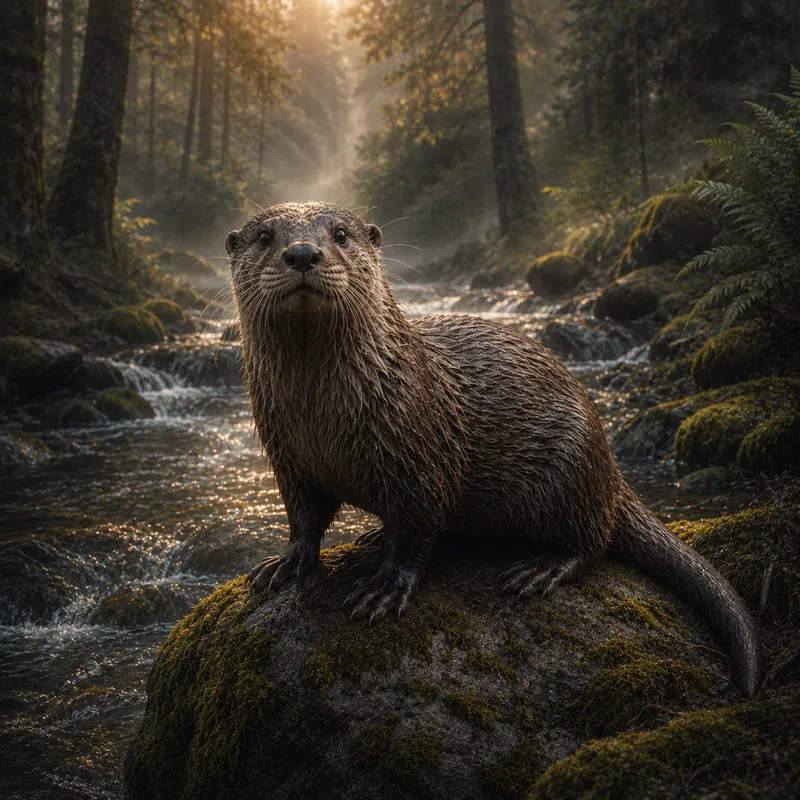
Otter therians are playful, affectionate, and full of life. Otters are famously joyful and social, and otter therians often describe bringing lightness to others, delighting in small things, and feeling drawn to water.
Otter therians frequently feel happiest in close, affectionate bonds and playful activity. There's often a strong water affinity, a curious streak, and a gift for finding fun and comfort wherever they are.
River Otters, Sea Otters and Everything in Between
There are thirteen species of otter, and they all belong to the mustelids, the same family as weasels, badgers, minks and wolverines. That's worth remembering: underneath the cute reputation, otters are fast, skilled carnivores. Some examples:
- Sea otters live in the North Pacific and spend almost their whole lives in the water. They have no layer of blubber. Instead, they have the densest fur of any animal, which traps air to keep them warm.
- River otters, such as the North American river otter and the Eurasian otter, live in rivers, lakes and coastal areas and move easily between land and water.
- Giant otters of South America can grow to well over a meter and a half long, live in family groups, and are very vocal.
- Asian small-clawed otters are the smallest species. They're known for using their nimble paws to feel for prey and for juggling pebbles.
Built for the Water
Otters have long, streamlined bodies, webbed feet and strong tails that help them push through the water. They can close their ears and nostrils when they dive. Their sensitive whiskers pick up vibrations from moving prey, so they can hunt even in murky water where they can't see much.
Their energy needs are huge. Sea otters in particular have a very fast metabolism and eat a large share of their own body weight every day, mostly clams, crabs, sea urchins and fish. Sea otters are one of the few mammals that use tools: they float on their backs and crack shellfish open on a rock resting on their chest. When resting, sea otters often wrap themselves in kelp or float in groups called rafts so they don't drift apart.
Play is a real part of otter life. Young otters wrestle and chase each other, and river otters slide down muddy or snowy banks. Scientists think this kind of play helps young animals practice skills and strengthens bonds within the group.
The Otter Therian Experience
Otter therians often describe a sense of self that is restless, affectionate and hungry, in a nice way, for activity and contact. Things people commonly mention:
- Water as home. Swimming, a long bath or the sound of a river can bring on a deep sense of rightness. Some describe mental shifts that happen most easily in water.
- Busy hands. Fidgeting, rolling small stones or objects in their hands, and a pull to explore with touch.
- Contact comfort. Cuddling, leaning on friends and play-wrestling (with willing friends) can feel very natural.
- Phantom body. A long, flexible spine, a thick tapering tail, webbed paws and whiskers that seem to "feel" the air.
- Snack energy. Feeling hungry often and wanting small meals throughout the day.
If water is part of your connection, please be safe. Swim where there's supervision, and never go into cold, fast-moving or unfamiliar water alone. Feeling like an otter inside doesn't give you an otter's lungs or fur.
Otter, Dog, Fox, or Another Mustelid?
- Otter vs. dog. Both are playful and affectionate. Dog therians usually describe a bond with people at the center of their identity, while otter therians describe water and play with their own kind.
- Otter vs. fox. Both are curious and quick, but foxes are mostly solitary land hunters with a cautious streak. Otters tend to be bold and social, and they live in or near water.
- Otter vs. other mustelids. Some people find they relate to the whole weasel family (otters, ferrets, badgers, wolverines). That may be a cladotherian identity.
- Otter vs. beaver or seal. Beavers are rodents and seals are marine mammals that aren't closely related to otters, even though all of them swim. If your phantom shifts include flippers or a flat paddle tail, explore those animals too.
Misconceptions About Otter Therians
"Otter therians are always happy." Being playful isn't the same as never feeling down. Otter therians have the full range of human emotions, and they deserve support on hard days like anyone else.
"Otters are harmless." Real otters are effective predators and will defend themselves fiercely. Otter therians often describe a bold, fearless side alongside the playfulness.
"It's just because otters are cute online." Liking otter videos is common. A theriotype is a lasting, inner sense of identity that usually goes much deeper than enjoying an animal. Our theriotype quiz can help you think about it.
🌟 Signs the Otter Might Be Your Theriotype
- You're playful and bring joy to others
- You find delight in small, simple things
- You feel drawn to water
- You bond through closeness and play
- You experience phantom shifts of a tail or webbed paws
🌀 Common Shifts
Common shifts include playful mental shifts, phantom shifts (tail, paws), and a pull toward water. Learn more on our shifts guide & quiz.
💚 A Note on Respect
Your theriotype isn't a choice, a phase, or a costume — and only you can truly know it. A quiz like ours can point you toward animals worth reflecting on, but take your time. There's no "fake" therian and no rush. If the Otter resonates, explore it gently through introspection, dreams, and community.
Otter Theriotype FAQ
Do I have to love swimming to be an otter therian?
No. Many otter therians feel drawn to water, but some can't swim or don't enjoy it. Your theriotype is about your sense of self, not a list of hobbies.
Sea otter or river otter: does it matter?
It can. Sea otters rarely leave the ocean, while river otters spend a lot of time on land. Many therians find one of these lifestyles clearly feels more like home, though identifying with otters in general is also fine.
Is it normal to fidget constantly?
Many otter therians connect fidgeting with their theriotype. Fidgeting is also very common in humans generally. If it helps you focus, small fidget objects can be a good outlet.
Are otters related to ferrets?
Yes. Both are mustelids, along with weasels, minks, badgers and wolverines. Some therians feel a connection to the whole mustelid family.
What shifts do otter therians often report?
Common ones are playful mental shifts, phantom tails and webbed paws, a sense of whiskers, and shifts that are easier to reach in or near water.